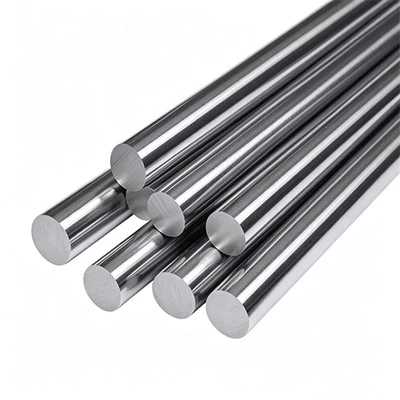


What ASTM F67 means
ASTM F67 is the medical standard for unalloyed titanium. Not Grade 5. Not alloys. Just pure titanium with tight chemistry limits.
Titanium alloy rods comply with the ASTM F67 standard - the title says "alloy" but F67 is actually unalloyed. Pure titanium. The standard controls oxygen, iron, nitrogen, carbon, hydrogen. Tighter than commercial grades.
Medical implants use this. Surgical instruments use this. Dental parts. Bone screws. Spinal cages. Any titanium that goes into the human body.
Why pure titanium for medical, not alloy
Grade 5 (Ti-6Al-4V) is stronger. But it has aluminum and vanadium. Aluminum is linked to nerve issues. Vanadium is cytotoxic in some studies.
Pure titanium is biocompatible. The body accepts it. No toxic elements. The oxide layer forms, and bone grows right up to it.
For implants, Grade 2 is most common. Grade 4 for high-stress implants like dental abutments. Grade 1 for soft, formable parts.
What the spec requires
| Element | Grade 1 | Grade 2 | Grade 3 | Grade 4 |
| Nitrogen (max) | 0.03% | 0.03% | 0.05% | 0.05% |
| Carbon (max) | 0.08% | 0.08% | 0.08% | 0.08% |
| Hydrogen (max) | 0.012% | 0.012% | 0.012% | 0.012% |
| Iron (max) | 0.20% | 0.30% | 0.30% | 0.50% |
| Oxygen (max) | 0.18% | 0.25% | 0.35% | 0.40% |
| Titanium | ≥99.5% | ≥99.2% | ≥98.9% | ≥98.8% |
Mechanical requirements
| Property | Grade 1 | Grade 2 | Grade 3 | Grade 4 |
| Tensile (min) | 240 MPa | 345 MPa | 450 MPa | 550 MPa |
| Yield (min) | 138-310 MPa | 275-450 MPa | 380-550 MPa | 483-620 MPa |
| Elongation (min) | 24% | 20% | 18% | 15% |
ASTM F67 requires specific test methods. Tensile. Yield. Elongation. All documented.
Which grade for which medical device
- Grade 1. Softest. Most formable. Used for custom implants, cranial plates, mesh. Easy to shape during surgery.
- Grade 2. Standard. Most common medical titanium. Bone screws, spinal rods, dental implants. Good strength. Good formability.
- Grade 3. Stronger. Less common. Used for some dental and trauma parts.
- Grade 4. Strongest pure titanium. Tensile 550 MPa. Used for high-stress implants. Dental abutments. Orthopedic screws. Thin-wall parts that need strength.
Titanium alloy rods comply with the ASTM F67 standard covers all four grades. Pick the one that fits your strength needs.
Where these rods become parts
- Orthopedic implants. Bone screws. Spinal rods. Intramedullary nails. Titanium alloy rods comply with the ASTM F67 standard starting stock.
- Dental implants. Abutments. Healing caps. Implant fixtures.
- Surgical instruments. Forceps. Retractors. Scissors. Lightweight. Sterilizable. No corrosion.
- Trauma implants. Plates for bone fracture repair. Screws.
- Cardiovascular devices. Pacemaker housings. Heart valve components.
- Each part requires full traceability. Heat number. Chemical cert. Mechanical test results. ASTM F67 compliance.
Surface finish for medical use
- Medical rods need clean surfaces. No oxide scale. No embedded contamination.
- Turned surface. Standard for most implants. Ra ~1.6μm.
- Ground surface. Smoother. Ra ~0.8μm. For bearing surfaces or where tissue contact matters.
- Polished surface. Ra ≤ 0.4μm. For high-finish instruments or visible implant parts.
For titanium alloy rods comply with the ASTM F67 standard, we supply polished surface by default for implant-grade material. Clean. Smooth. Ready for your clean room.
Traceability - the medical requirement
Medical grade is not commercial grade. You can't lose the paperwork.
Every rod has a heat number. The heat number traces back to the original melt. Chemistry. Mechanicals. Processing history.
We provide Mill Test Reports with every shipment. EN 10204 3.1 standard. 3.2 available with third-party inspection.
For titanium alloy rods comply with the ASTM F67 standard, we retain samples from each heat. If you need retesting later, we have the material.
Fabrication into medical parts
Machining medical titanium is like machining any titanium. Slow speed. Sharp tools. Flood coolant.
But medical parts have tighter tolerances. Cleaner requirements.
No contamination from machining coolant on implant surfaces. Use medical-grade coolant or clean thoroughly after machining.
Passivation after machining. Removes free iron from the surface. Restores the oxide layer. ASTM F86 passivation standard applies.
For titanium alloy rods comply with the ASTM F67 standard, we can supply rods pre-cut, pre-ground, and passivated. Many implant manufacturers take this option.
FAQ
Q: Grade 2 or Grade 4 for dental implants?
A: Grade 4 is stronger. Dental implants are small. Need strength in thin walls. Grade 4 is common for dental abutments and fixtures. Grade 2 is fine for bone screws.
Q: What about ASTM F136?
A: F136 is for Ti-6Al-4V ELI alloy. Stronger. Used for high-load implants like hip stems. F67 is pure titanium. Softer. Used for bone screws, plates, dental. Different applications.
Q: Do I need 3.1 or 3.2 certs?
A: 3.1 is standard. Mill certifies. 3.2 adds third-party or customer witness. For CE marked devices, 3.2 is often required. For FDA, 3.1 is usually fine. Ask your Notified Body.
Q: Lead time for F67 rods?
A: Stock diameters (6mm to 50mm) ship in 7-10 days with full paperwork. Non-stock sizes take 3-5 weeks. Polished surface adds 3-5 days.
Q: Packaging for medical use?
A: Individual plastic sleeves. Clean room compatible. Sealed bags with desiccant. Labels show heat number, grade, lot number, ASTM F67.
Q: What about biocompatibility testing?
A: ASTM F67 covers chemistry. Biocompatibility per ISO 10993 is separate. We don't provide ISO 10993. Your team or lab does that testing.
The bottom line
Medical implants need safe material. No toxic elements. Consistent properties. Full traceability.
Titanium alloy rods comply with the ASTM F67 standard gives you all of that. Pure titanium. Grade 1 to Grade 4. Tight chemistry. Tested. Certified.
Grade 2 for most implants. Grade 4 for high strength. Grade 1 for soft, formable parts.
Clean surface. Full traceability. Ready for medical device manufacturing.
Contact us
Need a quote on titanium alloy rods comply with the ASTM F67 standard? Send grade, diameter, length, quantity, and surface finish. Include any cert requirements. We'll reply within 24 hours.
Email: shawn@mt-titanium.com
WhatsApp: +86-18220745501
Hot Tags: titanium alloy rods comply with the astm f67 standard, China titanium alloy rods comply with the astm f67 standard manufacturers, suppliers, factory, Biocompatible Titanium Rod for Surgical Implants, High Strength Medical Titanium Rod for Prosthetics, Medical Titanium Alloy Rods for Orthopedic Screws, medical titanium rod, Medical Titanium Rod ASTM F136 Spinal Fixation, Titanium Alloy Rods Comply With The ASTM F67 Standard