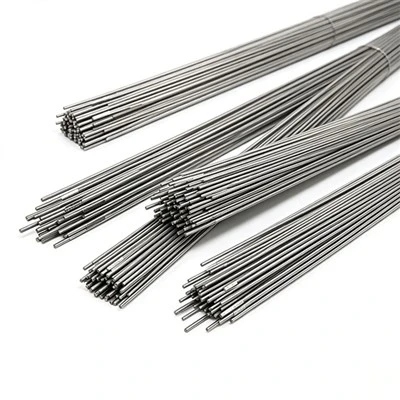


What it is
Chemical plants and electrolysis cells deal with aggressive stuff. Acid. Chlorine. Caustic. High current. The wire has to survive. Not corrode. Not contaminate.
Titanium wire for chemical and electrolysis industry is made for these conditions. Anode baskets. Cathode hangers. Electrolysis grids. Filter mesh. Tie wire. Anywhere the environment eats other metals.
Copper wire dissolves. Steel wire rusts. Stainless wire pits. Titanium wire just sits there.
Why titanium wins in chemical service
Copper conducts electricity well. But in an electrolysis cell, copper dissolves. Contaminates the product. Copper ions plate onto cathodes.
Steel is cheap. But steel rusts. Rust flakes off. Ruins chemical processes.
Stainless 316 works sometimes. But in chlorides, it pits. In acids, it corrodes.
Titanium has an oxide layer. Stable. Doesn't dissolve. Doesn't pit. Chlorides don't break it.
For titanium wire for chemical and electrolysis industry, the wire lasts years. Sometimes decades.
| Grade | Best for | Key feature |
| Grade 2 | General chemical, chlorides, dilute acids | Best all-around |
| Grade 7 | Hot acids, wet chlorine | Added palladium |
| Grade 12 | Hot brine, crevice conditions | Added Mo + Ni |
Which grade for which chemical
Grade 2 covers most chemical applications. Seawater. Dilute sulfuric. Nitric acid. Chlorinated water.
Grade 7 is for tough conditions. Hot hydrochloric acid. Hot dilute sulfuric. Wet chlorine gas.
Grade 12 is for hot seawater and brine systems. Desalination. Brine electrolysis.
For titanium wire for chemical and electrolysis industry, Grade 2 is the first choice. Upgrade if needed.
Material specs (Grade 2)
| Property | Value |
| Tensile (min) | 345 MPa |
| Yield (min) | 275 MPa |
| Elongation | ≥ 20% |
| Density | 4.51 g/cm³ |
| Resistivity | ~55 μΩ·cm |
| Max temp | 300°C |
Common diameters for chemical and electrolysis
| Diameter (mm) | Application |
| 0.5 – 1.0 | Fine mesh, filtration |
| 1.0 – 1.5 | Anode baskets, tie wire |
| 1.5 – 2.0 | Cathode hangers, grids |
| 2.0 – 3.0 | Electrolysis grids |
| 3.0 – 4.0 | Heavy tie wire |
| 4.0 – 6.0 | Structural, heavy duty |
Where it goes
-
Anode baskets. In electrolysis cells. Titanium basket holds the anode material. Chlorine gas evolves. The basket must not corrode. Grade 2 or Grade 7. 1.5mm to 3.0mm wire. Welded into mesh.
-
Cathode hangers. Support the cathode. Same corrosive environment. Grade 2. 2.0mm to 4.0mm.
-
Electrolysis grids. Current distribution. Titanium wire grid spreads current evenly. Grade 2. 2.0mm to 3.0mm.
-
Filter mesh. Chemical filtration. Acid streams. Titanium wire woven into mesh. Grade 2. 0.5mm to 1.5mm.
-
Tie wire. Hold equipment in chemical tanks. Tie down components. Grade 2. 1.0mm to 2.0mm.
For titanium wire for chemical and electrolysis industry, the wire is woven, welded, or tied. Always in contact with chemicals.
Chlor-alkali cells
Chlor-alkali plants produce chlorine and caustic soda. The anode side is aggressive. Chlorine gas. Hot brine. High current.
Titanium anodes are standard. Coated with mixed metal oxide. The titanium wire supports the coating.
Grade 7 is often used for chlor-alkali anodes. Better resistance to the aggressive environment.
For titanium wire for chemical and electrolysis industry, Grade 7 lasts longer in this service.
Electrowinning cells
Copper electrowinning. Nickel electrowinning. Zinc. The electrolyte is sulfuric acid. Copper sulfate.
Titanium anodes are used. They don't corrode. Don't contaminate the metal being plated.
Grade 2 works well in electrowinning. Dilute sulfuric acid at moderate temperature.
Why titanium for anode baskets
Anode baskets hold the anode material. In chlor-alkali, the material is brine. In electrowinning, it's metal granules or scrap.
The basket is immersed in electrolyte. Chlorine or oxygen evolves at the surface.
Other metals corrode. Contaminate the product. Titanium doesn't.
For titanium wire for chemical and electrolysis industry, the wire is welded into basket shape. Open mesh. Allows electrolyte to flow through.
Electrical conductivity
Titanium is not a great conductor. 3% IACS vs 100% for copper.
But in an electrolysis cell, the titanium wire just holds the active coating. The coating carries the current.
For connecting bus bars, use copper. For the wire in the electrolyte, use titanium.
Welding titanium wire for electrolysis cells
Titanium wire welds to itself. Use ERTi-2 filler for Grade 2. Argon shielding required.
Welding in chemical plants needs care. The weld must be as corrosion resistant as the base metal.
For titanium wire for chemical and electrolysis industry, we supply wire on spools or straight lengths. Ready for your welder.
Filter mesh for chemical filtration
Chemical filters need fine mesh. Acidic streams. Chlorinated water. Particle removal.
Stainless mesh pits. Polymer mesh weak. Titanium mesh lasts.
Woven from 0.5mm to 1.5mm wire. Grade 2.
For titanium wire for chemical and electrolysis industry, filter mesh is a common application.
Tie wire in chemical tanks
Inside chemical storage tanks and reactors, components need tie-downs. Wire holds things in place.
The wire sits in the chemical. Acid. Caustic. Solvent.
Tie wire must not corrode. Must not contaminate.
Titanium tie wire. Grade 2. 1.5mm to 2.0mm. Cut to length. Tied by hand.
Corrosion resistance details
| Chemical | Grade 2 performance |
| Seawater | Excellent |
| 10% sulfuric acid (room temp) | Good |
| 50% sulfuric acid | Not recommended |
| Nitric acid (any conc.) | Excellent |
| Hydrochloric acid (dilute) | Fair to good |
| Chlorinated water | Excellent |
| Caustic soda | Good |
For titanium wire for chemical and electrolysis industry, check your specific chemistry. Grade 2 works for most. Grade 7 for hot HCl.
Temperature limits
Grade 2 works to 300°C in air. In chemical service, lower temperatures are typical. 80°C to 150°C is common.
Above 150°C in acids, corrosion accelerates. Check compatibility.
Cost vs stainless
Stainless 316 wire is cheaper. But in chemical service, stainless pits. Fails. Needs replacement.
Titanium costs more upfront. Lasts longer. Fewer shutdowns.
For titanium wire for chemical and electrolysis industry, the total cost over 10 years is often lower with titanium.
Traceability
Mill test reports. Heat number traceable. ASTM B863 cert.
FAQ
Q: Grade 2 or Grade 7 for chlor-alkali anodes?
A: Grade 7 for chlor-alkali. The environment is aggressive. Grade 7 lasts longer. Grade 2 works but may need earlier replacement.
Q: Can I use titanium wire in hydrochloric acid?
A: Dilute HCl at room temperature, yes. Hot HCl, no. Use Grade 7 for warm HCl.
Q: How do you attach titanium wire to copper bus bars?
A: Use a titanium to copper transition joint. Or bolt with titanium hardware. No direct weld.
The bottom line
Chemical plants and electrolysis cells are brutal. Copper dissolves. Steel rusts. Stainless pits.
Titanium wire for chemical and electrolysis industry survives.
Grade 2 for most chemicals. Grade 7 for hot acids and chlorine. Grade 12 for hot brine.
Anode baskets. Cathode hangers. Filter mesh. Tie wire.
Woven. Welded. Tied.
Lasts years in the harshest environments.
Contact
Need a quote on titanium wire for chemical and electrolysis industry? Tell us grade, diameter, quantity, application, and chemical conditions if known. We'll reply within 24 hours.
Email: kristy@mt-titanium.com
WhatsApp: +86-17391509251
Hot Tags: titanium wire for chemical and electrolysis industry, China titanium wire for chemical and electrolysis industry manufacturers, suppliers, factory, Annealed Titanium Wire for Industrial Spring Making, Fine Titanium Wire for Industrial Filter Screens, High Tensile Titanium Wire for Aerospace Cables, Titanium Welding Wire for Industrial Corrosion Parts, titanium wire, Titanium Wire for Marine Aquaculture Equipment