

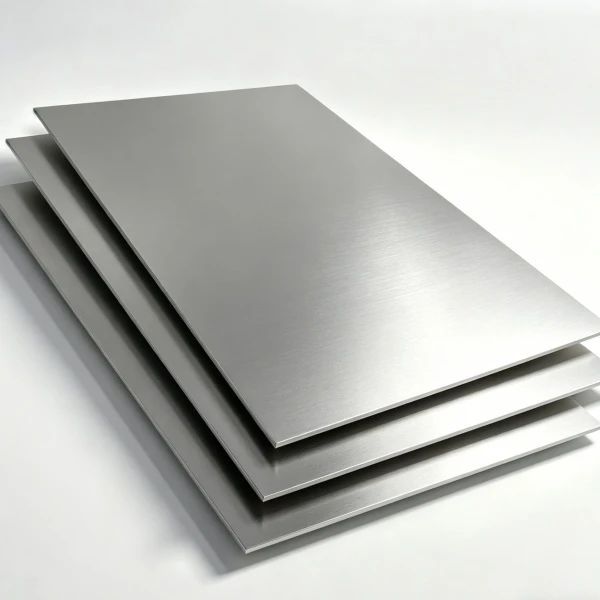


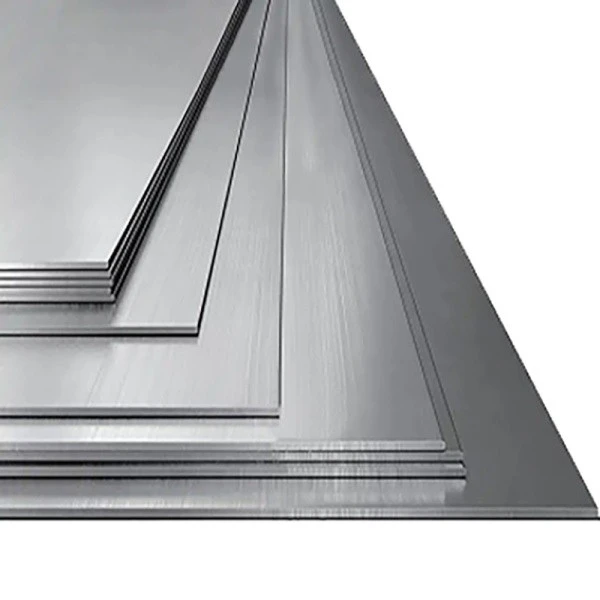

What it is
Power plants need heat exchangers. Condensers. Coolers. Heaters. These devices move heat from one fluid to another. The plates and tubes inside see high temperatures. Corrosive water. Constant flow.
Titanium plate for power generation and heat exchangers is made for these conditions. Thin plate for heat exchanger sheets. Thick plate for tube sheets and water boxes. Resists corrosion from seawater, cooling tower water, and process fluids.
Grade 2 for most cooling water. Grade 12 for hot seawater. Grade 7 for aggressive acids.
Why titanium for power generation
Copper alloys work. But copper erodes over time. Pits. Leaks.
Stainless steel works. But stainless pits in stagnant seawater or high chlorides.
Titanium doesn't pit. Doesn't erode. Doesn't rust.
For titanium plate for power generation and heat exchangers, the material lasts decades. Power plants don't want to shut down every few years to replace corroded parts.
Which grade for which service
| Grade | Best for | Corrosion resistance |
| Grade 2 | Fresh water, seawater below 50°C | Excellent general purpose |
| Grade 12 | Hot seawater above 50°C, brine | Better crevice resistance |
| Grade 7 | Hot reducing acids, wet chlorine | Superior (palladium added) |
Grade 2 covers most power plant cooling systems. River water. Lake water. Seawater up to about 50°C.
Grade 12 handles hotter seawater. Coastal power plants in warm climates. Desalination.
Grade 7 is rare. Only for specific aggressive chemistries.
Material specs (Grade 2)
| Property | Value |
| Standard | ASTM B265 / ASME SB265 |
| Tensile (min) | 345 MPa |
| Yield (min) | 275 MPa |
| Elongation | ≥ 20% |
| Density | 4.51 g/cm³ |
| Thermal conductivity | 17 W/m·K |
Common thicknesses for power generation
| Thickness (mm) | Component |
| 0.5 – 1.0 | Plate heat exchanger sheets |
| 1.0 – 2.0 | Thin tube sheets, baffles |
| 2.0 – 5.0 | Tube sheets (small), water boxes |
| 5.0 – 10.0 | Tube sheets (medium), inlet/outlet heads |
| 10.0 – 20.0 | Large tube sheets, heavy water boxes |
| 20.0 – 30.0 | High pressure components |
Where it goes
-
Plate heat exchanger. Thin sheets. 0.5mm to 1.0mm. Corrugated plates stacked. Fluid flows between plates. Titanium handles the corrosive side. Cooling water on one side. Process fluid on the other.
-
Shell and tube heat exchanger. Thicker tube sheet. 5mm to 20mm. Hundreds of holes drilled. Titanium tubes rolled into the sheet. Tube sheet sees both fluids. Must not corrode.
-
Water box. Cast or fabricated. Titanium plate welded into shape. 5mm to 15mm thick. Redirects cooling water into the tubes.
-
Condenser. Power plant condenser. Steam on one side. Cooling water on the other. Titanium tube sheet holds thousands of titanium tubes.
For titanium plate for power generation and heat exchangers, the plate is the barrier between fluids. Must be corrosion-free.
Plate heat exchangers
Plate heat exchangers are efficient. Small footprint. Lots of surface area.
Sheets are stamped or laser cut. Corrugated pattern. Fluid flows in narrow gaps.
Titanium is ideal. Thin sheet. 0.5mm. Strong enough for pressure. Corrosion resistant.
For titanium plate for power generation and heat exchangers, thin gauge is common. 0.5mm to 1.2mm.
Tube sheets
Tube sheets hold the tubes. Holes drilled in a precise pattern. Tubes are rolled or welded into the holes.
Tube sheet must be thick enough to hold the tubes rigid. Must not distort under pressure.
Thickness depends on tube diameter and pressure.
| Tube OD | Tube sheet thickness (min) |
| 15.9mm | 12mm |
| 19.0mm | 15mm |
| 25.4mm | 20mm |
| 31.8mm | 25mm |
For titanium plate for power generation and heat exchangers, tube sheets are often Grade 2. Grade 12 for hot brine service.
Water boxes
Water box directs flow into the tubes. Bolted to the tube sheet. Seawater inside. Cast iron rusts. Titanium doesn't.
Water boxes can be fabricated from titanium plate. Welded seams. Bolted connections.
Thickness 5mm to 15mm. Grade 2.
Why no corrosion allowance
Steel tube sheets need extra thickness. The surface corrodes over time. Pits form. Tubes loosen.
Titanium tube sheets have no corrosion allowance. Design for pressure and tube pull-out only.
That means titanium tube sheet can be thinner than steel for the same tube load.
For titanium plate for power generation and heat exchangers, thinner tube sheets save material cost and weight.
Fabrication
Cutting. Waterjet or plasma. Waterjet is cleaner for thin sheet. No heat affected zone.
Drilling. Tube sheets need hundreds or thousands of holes. CNC drilling. High speed. Carbide drills.
Hole tolerance. ±0.05mm. Tubes must fit tight.
Welding. Tube to tube sheet. Argon purge. ERTi-2 filler. Silver weld.
Forming. Plate heat exchanger sheets are stamped. Deep draw. Titanium formability is good.
For titanium plate for power generation and heat exchangers, fabrication requires experience. Titanium is not steel. But it works.
Thermal conductivity
Titanium conducts heat less than copper. But more than stainless steel.
| Material | Thermal conductivity (W/m·K) |
| Copper | 400 |
| Titanium (Grade 2) | 17 |
| Stainless 316L | 15 |
Titanium is slightly better than stainless. Thinner walls help. Overall heat transfer is comparable.
Cost vs stainless
Stainless 316L is cheaper per kilo. But titanium lasts longer in seawater and chlorides.
Over 20 years, titanium is often cheaper. No replacement. No pitting. No downtime.
For titanium plate for power generation and heat exchangers, life cycle cost is what matters. Power plants run for decades.
Traceability
Power plant equipment requires documentation. Mill test reports. Heat number traceability. ASTM B265 cert.
EN 10204 3.1 standard. 3.2 with third-party inspection.
FAQ
Q: Grade 2 or Grade 12 for seawater cooling?
A: Grade 2 for seawater below 50°C. Grade 12 for hot seawater above 50°C or tight crevice conditions.
Q: What thickness for a tube sheet with 25mm tubes?
A: Typically 20mm to 25mm. Depends on tube pitch and pressure. Your engineer should calculate.
Q: Can titanium plate heat exchangers be repaired?
A: Yes. Weld repairs possible. Same procedure as new fabrication. Argon shielding required.
Q: How does titanium compare to titanium-palladium (Grade 7)?
A: Grade 7 is more corrosion resistant in hot reducing acids. For seawater cooling, Grade 2 is usually sufficient. Grade 7 is much more expensive.
Q: Lead time for plate?
A: Stock thicknesses 2-3 weeks. Non-stock 4-6 weeks.
Q: Sample for welding test?
A: Yes. 200mm x 200mm sample. Pay shipping. Material free.
The bottom line
Power plants run for decades. Heat exchangers need to last.
Titanium plate for power generation and heat exchangers gives you that longevity.
Grade 2 for most cooling water. Grade 12 for hot seawater.
Thin sheet for plate heat exchangers. Thick plate for tube sheets and water boxes.
No pitting. No corrosion. No shutdowns.
Contact
Need a quote on titanium plate for power generation and heat exchangers? Tell us grade, thickness, width, length, quantity, and component type (tube sheet, water box, plate heat exchanger sheet). We'll reply within 24 hours.
Email: kristy@mt-titanium.com
WhatsApp: +86-17391509251
Hot Tags: titanium plate for power generation and heat exchangers, China titanium plate for power generation and heat exchangers manufacturers, suppliers, factory, Cold Rolled Titanium Plate for Chemical Industry, Gr1 Titanium Plate for Industrial Equipment, Industrial Titanium Alloy Plate Ti 6Al 4V, Industrial Titanium Alloy Plate Ti‑6Al‑4V, Pickled Titanium Plate for Industrial Machining, Titanium Plate for Marine Engineering and Shipbuilding


